
Walking up to a freshly painted or rendered home after a long winter only to notice a bright green slime marching up the corner wall ruins the morning instantly. That stubborn discoloration refuses to wash away with a standard garden hose. Property owners across the western seaboard face this exact frustration year after year as Atlantic dampness settles deep into exterior walls. Traditional power washing feels like the obvious answer, but blasting fragile plaster with high pressure often leaves permanent scars on the facade.
This blog explores why moisture triggers organic growth on modern buildings, detailing why render cleaning Mayo demands a gentler touch and how targeted treatments restore exterior walls safely.
The Science Behind Green Walls and Damp Air
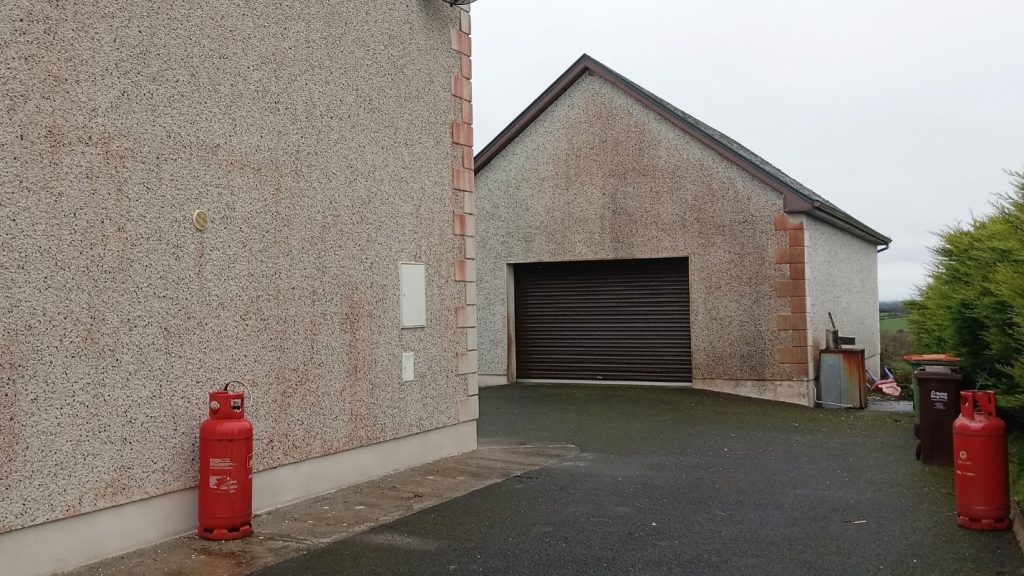
Microscopic airborne algae spores float constantly through the atmosphere, landing on exterior surfaces looking for moisture and a food source. Modern acrylic and monocouche renders create an inviting habitat because they trap tiny pockets of humidity.
Persistent wind-driven rain keeps exterior walls wet for days on end during winter months. Once green algae, red staining, or black mold take root, they spread rapidly across sheltered elevations. Property owners often grab a rented high-pressure washer from the shed, thinking force alone solves the problem. That aggressive blast chips away at the delicate surface layer of the render while leaving microscopic roots alive inside the porous material.
Common Factors Accelerating Wall Discoloration
- Heavy shade from nearby trees blocks sunlight and slows down natural evaporation.
- Poor architectural overhangs allow rainwater to stream directly down facade corners.
- High humidity levels common throughout rural and coastal western counties.
Why High Pressure Destroys Exterior Renders
Applying brute force to delicate exterior plaster causes more harm than good. High-pressure water strips away the protective textured finish, creates uneven patches, and forces moisture straight through hairline cracks into the interior structure.
Contractors specializing in exterior maintenance learned long ago that chemistry outperforms raw pressure every single time. Protecting the building envelope requires working with the material rather than fighting it. Modern properties need specialized techniques designed specifically for delicate substrates without risking expensive structural repairs.
The Modern Alternative: Gentle Chemical Applications
Treating exterior walls effectively relies on targeted solutions rather than mechanical force.Softwashing chemical treatment applies a specialized biocide mixture at low pressure, matching the gentle flow of a household garden hose.
The active solution breaks down organic cell walls at a molecular level, neutralizing algae, mold, and bacteria completely. Rainwater gradually washes the dead residue away over the following weeks, leaving the render spotless and bright without a single trace of physical damage.
Step-by-Step Restoration Process
- Initial assessment of the render type and extent of organic staining across the walls.
- Careful protection of surrounding windows, doors, and prized garden vegetation.
- Low-pressure application of custom-formulated biocide solutions from top to bottom.
- Allowing the treatment adequate dwell time to eradicate hidden spores at the root.
- The natural weathering process clears away residual organic matter safely over time.
Tackling Persistent Stains Through Professional Expertise
Red algae and black staining require specialized handling compared to standard green slime. Different strains demand specific treatment ratios to lift discoloration without altering the underlying color of the plaster.
Homeowners searching for reliable algae removal Mayo solutions quickly realize that DIY concoctions from local hardware shops rarely deliver lasting results. Professional crews bring industrial dosing equipment, specialized safety gear, and deep knowledge of regional weather patterns to ensure the job gets done right the first time.
Preventing Future Growth on Your Exterior Walls
Keeping exterior walls pristine after a professional treatment involves simple preventative habits. Trimming back overgrown bushes and ivy allows sunlight and wind to dry the facade naturally after heavy rainfall.
Checking gutter downspouts regularly prevents overflowing water from soaking exterior corners. Stopping moisture at the source ensures that treated walls remain bright and clean for years rather than months.
Evaluating Local Options for Exterior Maintenance
Finding trustworthy tradespeople requires looking for verified experience with delicate building substrates. Property owners frequently type local search terms into web browsers, hoping to find reliable specialists nearby.
Evaluating providers involves checking past project galleries, insurance credentials, and customer feedback. Experienced local operators understand how Atlantic weather impacts modern building materials, ensuring tailored care for every unique property.
Understanding the Hidden Dangers of Trapped Moisture
Exterior walls are designed to breathe, allowing internal household humidity to escape gradually through the porous building envelope. When thick layers of green algae and stubborn biological crusts seal the surface, trapped moisture becomes locked inside the render layers. During sudden temperature drops, this trapped water expands, leading to micro-cracking and eventual structural delamination. Addressing organic buildup early preserves the physical integrity of the entire building structure.
The Financial Impact of Regular Upkeep
Postponing exterior maintenance might seem like a smart way to save money in the short term, but neglected walls deteriorate much faster than maintained surfaces. Restoring a severely stained and damaged facade requires expensive patching, re-rendering, and extensive repainting. Routine biocide treatments cost a fraction of full-scale structural remediation, protecting your long-term investment while maintaining peak property valuation year after year.
Choosing the Right Season for Exterior Care
Timing your exterior cleaning schedule makes a massive difference in how long the results last throughout the year. Scheduling treatments during late spring or early autumn gives the biocide solution optimal conditions to neutralize spores without being washed away by sudden winter storms. Planning maintenance ahead of the wet season stops biological growth before it establishes a permanent foothold on your exterior walls.
The Importance of Professional Safety Gear
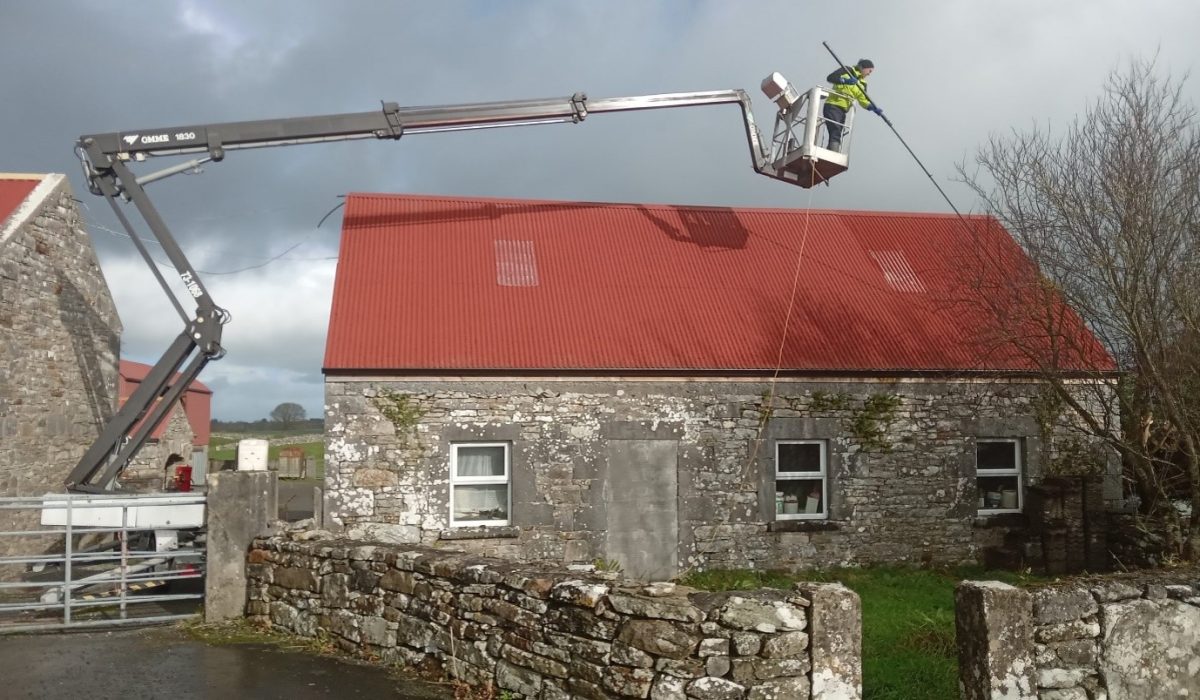
Working at heights while handling specialized cleaning formulations presents significant safety hazards for untrained individuals. Professional technicians utilize proper scaffolding, harnessed roof ladders, and specialized personal protective equipment to complete jobs safely. Attempting to scrub high walls from a standard domestic ladder often leads to dangerous slips, falls, and incomplete cleaning results.
Conclusion
Maintaining a clean exterior protects your property value and prevents long-term moisture degradation caused by harsh regional weather. While high-pressure washing offers a destructive quick fix, gentle chemical treatments target the root cause of organic growth for lasting protection. For expert exterior care and trusted results across the region, reach out to Dirtbgone to schedule your next service.
Frequently Asked Questions
Why does green algae return so quickly after washing walls with plain water?
Washing walls with water alone only removes the surface layer of discoloration while leaving microscopic spores buried deep inside the render pores. Those live roots multiply rapidly in damp weather, causing the green stains to reappear within a few short weeks.
Can soft washing damage my exterior windows or window sills?
Professional cleaning crews take extensive precautions by masking delicate frames, pre-wetting surrounding glass, and using biodegradable formulations. This ensures that cleaning agents do not harm window seals, metal flashing, or decorative masonry.
How long do the results of a professional biocide treatment last?
Because the specialized solution neutralizes organic spores down to the root rather than just blasting the surface, results typically last up to four times longer than traditional pressure washing methods.
Is it safe to paint over rendered walls after removing algae?
Painting over walls that still harbor live mold or algae spores causes the new paint coat to bubble and peel prematurely. Thorough chemical treatment creates a perfectly sanitized, sterile surface that guarantees proper paint adhesion.