
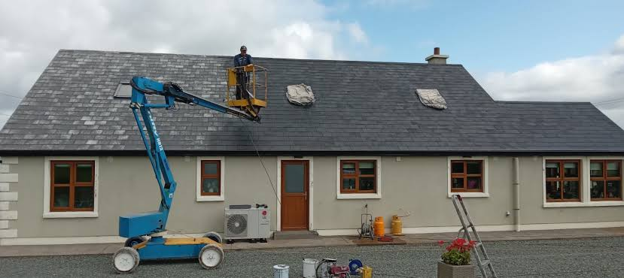
Every spring in the west of Ireland brings a familiar damp green tint creeping across roof tiles, turning once-smart slate and concrete into a patchy, moss-heavy burden. Homeowners stare up at their roofs wondering how best to handle it without punching a hole through the ceiling or blasting the protective granules right off the tiles. Choosing between high-pressure and chemical treatments often decides whether a roof lasts another twenty years or starts leaking by winter.
This blog breaks down the real differences between traditional pressure washing and modern softwashing chemical treatment, helping property owners across the West make an informed choice for their home.
Understanding the Damage Behind the Green
Moss, lichen, and algae do not just look untidy. They actually feed on the limestone and organic binders inside roof tiles. When roots dig deep into porous concrete or clay, they trap moisture that expands during freezing winter nights.
Walking around rural towns in County Mayo, every second roof shows signs of biological growth thriving in the Atlantic damp. Property owners often grab a rented power washer from the shed, thinking high-pressure water is the quickest fix. That immediate blast of water knocks the green away in seconds, but it also strips away the factory-applied protective coating, opens up micro-cracks, and forces water underneath the laps of the tiles.
Why Pressure Alone Falls Short
Blasting a roof with high pressure creates a false sense of security:
- High pressure forces water deep into the attic insulation and timber rafters.
- Water pressure strips away roof tile granules, shortening the lifespan of the roof.
- Root systems left alive inside the tile pores simply grow back thicker within months.
What is Soft Washing?
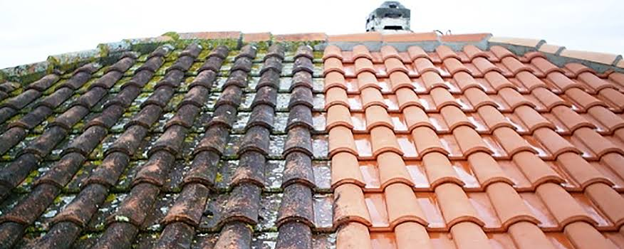
The alternative method relies on low-pressure application combined with targeted biodegradable solutions. Non pressure roof cleaning uses roughly the same water pressure as a standard garden hose. Instead of brute force, specialized treatments break down organic spores at a molecular level.
Years of working on damp coastal properties taught local cleaning crews that water volume and chemistry matter far more than PSI. When a biocide mixture is applied gently, it neutralizes moss, lichen, and black algae down to the root. Rain over the following weeks naturally washes the dead residue away without ever putting the structural integrity of the roof at risk.
Comparing the Two Methods Head-to-Head
Weighing the options comes down to immediate visual gratification versus long-term roof health. Traditional high-pressure washing blasts everything off instantly, leaving a clean mess in the gutters and potential water damage upstairs.
Soft washing takes a little patience. The treatment goes on, the green turns white or brown within a few days, and weathering does the rest of the work gradually. More importantly, chemical treatments prevent regrowth for years rather than weeks because the spores are dead, not just displaced.
How the Process Works on a Typical Home
Property owners often wonder what to expect when contractors arrive on site. The workflow requires careful preparation to protect plants, gutters, and surrounding paintwork.
- Downspouts are disconnected to catch debris and treatment runoff before it reaches garden beds.
- Loose debris is brushed away manually without aggressive scraping.
- The custom biocide solution is applied gently from the eaves upward using specialized low-pressure pumps.
- The formula dwells on the tiles, dissolving organic matter while safeguarding surrounding landscaping through thorough pre-wetting and rinsing.
Protecting Your Investment for the Long Run
Ignoring roof growth leads to cracked tiles, blocked gutters, and expensive timber rot beneath the eaves. Waiting too long turns a simple maintenance job into a full structural repair. Selecting the right cleaning approach keeps the home watertight and preserves property value against harsh weather.
The Hidden Cost of Ignoring Roof Moss
Many property owners treat roof cleaning nuisance that can wait until summer. Unfortunately, trapped moisture beneath heavy moss patches adds significant dead weight to the roof structure while accelerating freeze-thaw degradation during cold months. Ignoring these early warning signs often transforms a straightforward maintenance clean into an expensive structural repair down the road. Addressing organic growth early preserves the integrity of the underlying timber and prevents costly leaks from developing inside the attic space.
Weather Challenges Unique to Western Counties
Properties situated along the western seaboard face relentless moisture, high winds, and airborne salt spray that encourage rapid biological growth. Standard cleaning solutions that work well in dry inland climates often fail to combat persistent Atlantic dampness. Effective roof care requires specialized formulations designed to withstand regional weather patterns while providing long-lasting defense against recurring green stains and black streaks. Local experience ensures that the chosen treatment method matches the specific environmental demands of the area.
Long-Term Value of Professional Maintenance
Investing in professional exterior care does more than just boost immediate curb appeal. Regular upkeep protects your property’s overall market value and extends the functional lifespan of expensive roofing materials. Working with experienced technicians guarantees that delicate tiles and flashing remain undamaged during the cleaning process, saving homeowners thousands of pounds in premature replacement costs. Routine inspections catch minor vulnerabilities before they escalate into major household emergencies.
Conclusion
Choosing the right cleaning method protects your roof from long-term moisture damage and structural wear. While high pressure offers a quick fix, gentle chemical treatments target the root cause of organic growth for lasting protection. Investing in proper maintenance keeps your property secure against harsh weather. For expert exterior care and trusted results across the region, reach out to Dirtbgone to schedule your next service.
Frequently Asked Questions
Is soft washing safe for my garden plants?
Professional crews thoroughly drench surrounding lawns, shrubs, and flower beds with clean water before and after applying any treatment. This dilutes any runoff instantly, keeping landscaping safe and healthy throughout the process.
How long does a non-pressure roof cleaning last?
Because the underlying spores are completely neutralized rather than just blasted away, results typically last anywhere from three to five times longer than traditional power washing.
Can I do roof cleaning Mayo myself safely?
Climbing onto a wet, moss-covered roof carries severe personal injury risks and often causes accidental damage to fragile tiles. Hiring trained professionals with proper harness equipment and liability insurance protects both the homeowner and the property.
Does soft washing damage slate or concrete tiles?
Quite the opposite. Avoiding mechanical high pressure prevents tile breakage, granule loss, and water ingress, making it the safest method recommended by leading roofing manufacturers.